Is Air Bubble Insulation the New Energy-Saver? What Builders & Manufacturers Must Know
Energy efficiency is a critical factor for industries striving to reduce costs and environmental impact. As energy prices rise and sustainability becomes a top priority, builders and manufacturers are turning to innovative solutions. One such solution that’s gaining momentum is air bubble insulation.
But why is this material becoming a go-to choice for energy efficiency? The answer lies in its ability to retain temperature, reduce energy loss, and offer excellent protection. In this post, we’ll explore why air bubble insulation sheets are a must-have for modern construction and manufacturing.
What is Air Bubble Insulation?
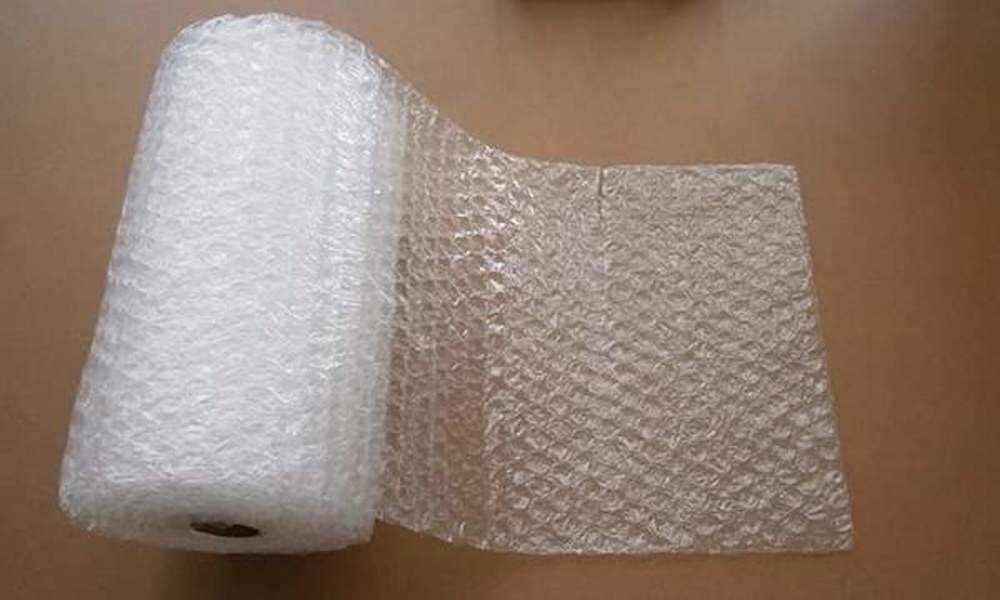
Simply put, air bubble insulation sheets are multi-layered materials designed to trap air between layers of plastic or aluminum. The trapped air forms an insulating barrier, making it a highly efficient thermal insulator. These sheets are lightweight, flexible, and can be used in a variety of industries.
What sets these sheets apart is their ability to create an air pocket barrier, providing superior insulation against heat and cold. This makes air bubble insulation a popular choice in industries that need to control temperature, including construction, packaging, and manufacturing.
How Does Air Bubble Insulation Work?
The technology behind aluminium air bubble insulation sheets is quite simple yet effective. The aluminum layer serves as a reflective barrier, bouncing radiant heat away, while the air pockets between the layers prevent the transfer of heat or cold.
This combination makes air bubble insulation an ideal material for both thermal and sound insulation. It’s especially effective in environments with fluctuating temperatures or where energy savings are essential. Whether it’s keeping a building warm in winter or cool in summer, air bubble insulation has proven to be a versatile and energy-efficient solution.
Why Builders Should Consider Air Bubble Insulation
1. Energy Savings
The primary reason builders and manufacturers choose air bubble insulation sheets is energy efficiency. By minimizing heat transfer, these materials keep buildings and machinery at optimal temperatures, reducing the need for excessive heating or cooling. This leads to significant savings on energy bills.
2. Sustainability
In today’s eco-conscious world, sustainable building materials are becoming a requirement. Air bubble insulation sheets are an excellent choice for green building projects because they reduce energy consumption, contributing to a lower carbon footprint. The material is also lightweight and easy to handle, making it a sustainable option during installation.
3. Cost-Effective
Compared to traditional insulation materials like fiberglass or foam, bubble insulation roll manufacturers often provide a more cost-effective solution. Not only is it cheaper to manufacture, but it’s also easier to transport and install, cutting down on overall costs.
4. Durability & Protection
Air bubble insulation is not just a thermal insulator; it also offers protection against impacts and vibrations. It is commonly used for packaging supplies, ensuring delicate items are safe during transit. This added layer of protection makes it an attractive option for packaging and construction industries.
Applications of Air Bubble Insulation
1. Construction
In construction, air bubble insulation sheets are used for roofs, walls, and floors to ensure temperature control and energy savings. Their lightweight nature makes them easy to install in new buildings or during renovations. Builders can incorporate these sheets into existing walls for additional insulation, helping to meet energy efficiency standards.
2. Packaging
Another application of bubble insulation roll manufacturers is in the packaging industry. The sheets are used for thermal packaging, protecting temperature-sensitive items like food, pharmaceuticals, and electronics during shipping. The superior protection and insulating properties ensure products stay within the ideal temperature range throughout the transportation process.
3. HVAC Systems
Air bubble insulation is also used in heating, ventilation, and air conditioning (HVAC) systems to reduce energy loss. By adding this material around ducts, manufacturers can prevent heat loss or gain, helping HVAC systems perform more efficiently and lowering energy usage.
How to Choose the Right Air Bubble Insulation
When selecting air bubble insulation, consider factors like thickness, material, and application. For example, aluminium air bubble insulation sheets offer an extra layer of protection from radiant heat, while standard plastic bubble sheets may provide more flexibility. Always choose a reputable air bubble insulation sheet manufacturer to ensure high-quality material that meets your energy-saving goals.
Why the Future is in Air Bubble Insulation
As energy-saving regulations continue to tighten and sustainability becomes a driving force in building practices, air bubble insulation is set to become a staple in modern construction and manufacturing. With its proven thermal efficiency, affordability, and versatility, it’s clear that this material is here to stay.
If you’re in the construction, manufacturing, or packaging industry, consider exploring the range of air bubble insulation sheets offered by Pack It Up to enhance your energy savings and protect your products.