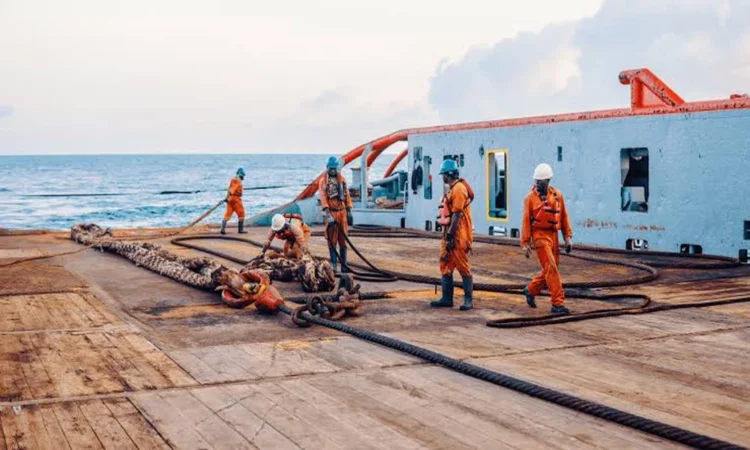
Oregon’s coastline, rivers, and fishing ports support crews who face demanding work on commercial vessels, tugs, barges, processors, and offshore operations. A single unsafe ladder, worn winch, slippery deck, or rushed decision can leave a worker with medical bills and months away from sea duty. Maritime injury claims give injured crew members a legal route to seek care, income protection, and accountability.
After a vessel accident, answers can feel scattered because maritime law follows federal rules rather than ordinary workplace systems. A lawyer serving maritime workers can review the worker’s role, vessel purpose, and cause of harm to identify the strongest claim path. Early review helps protect rights before statements, paperwork, or insurance pressure create problems. Read this article for a better idea.
Jones Act Rights for Injured Seamen
An Oregon maritime injury lawyer may help seamen, fishermen, deckhands, engineers, cooks, mates, and processors who bring a negligence claim against a maritime employer. A claim may focus on unsafe practices, poor supervision, crew errors, fatigue, lack of training, or decisions that placed production ahead of safety. This law can support damages beyond basic medical bills. Recoverable losses may include pain, lost wages, reduced earning capacity, future medical care, vocational retraining, and loss of enjoyment of life when evidence supports those harms.
Maintenance, Cure, and Unearned Wages
Maintenance and cure can provide immediate support after a shipboard injury or illness. These benefits generally apply without proving fault, so the main issue becomes the connection between the condition and maritime service.
- Maintenance helps cover living costs during recovery.
- Cure covers reasonable and necessary medical treatment, tests, therapy, and related care.
- Unearned wages may apply when a worker loses pay during a contract or voyage period.
- Legal support can challenge delays, low payments, or early benefit cutoffs.
Unseaworthiness and Unsafe Vessel Conditions
A vessel owner must provide a vessel, equipment, crew, and work method that are reasonably fit for their intended purpose. A claim for unseaworthiness may arise from defective gear, broken machinery, unsafe ladders, poor deck conditions, inadequate staffing, or an unsafe method used during regular operations. These cases require careful proof because vessel owners and insurers may blame the injured worker. Photographs, logs, maintenance records, witness accounts, and medical reports can show how the condition caused harm. A legal team can secure that evidence before repairs, crew changes, or missing records weaken the claim.
Lawyer Support During Claim Pressure
Insurance adjusters may move quickly after a serious maritime accident in Oregon. Their goal is usually to limit exposure, so workers should be cautious with recorded statements, medical releases, and quick offers.
- Counsel handles communication with insurers and employers.
- Claim value can include future losses, not just current bills.
- Medical evidence can document lasting disability or chronic pain.
- Settlement review helps prevent releases that end valuable rights.
Workers in Oregon Who May Need Help
Commercial fishermen from Newport, crew members on Oregon-based vessels, fish processors, tug and barge workers, and other maritime employees may qualify for federal protections. The key questions involve vessel connection, job duties, accident facts, and the type of harm suffered. An Oregon maritime injury lawyer can sort these details and build a claim around the worker’s actual losses. Strong legal support gives injured workers a clearer plan for treatment, wage recovery, evidence, and negotiation. It also helps families understand options after catastrophic injury or wrongful death at sea.
Maritime injury claims can protect workers when vessel work leads to serious harm. Legal guidance helps connect medical care, wage support, evidence, and full compensation. Early advice can thus turn uncertainty into a practical path toward recovery.